
Navigating the Evolution of the Modern Workplace in the Emirates
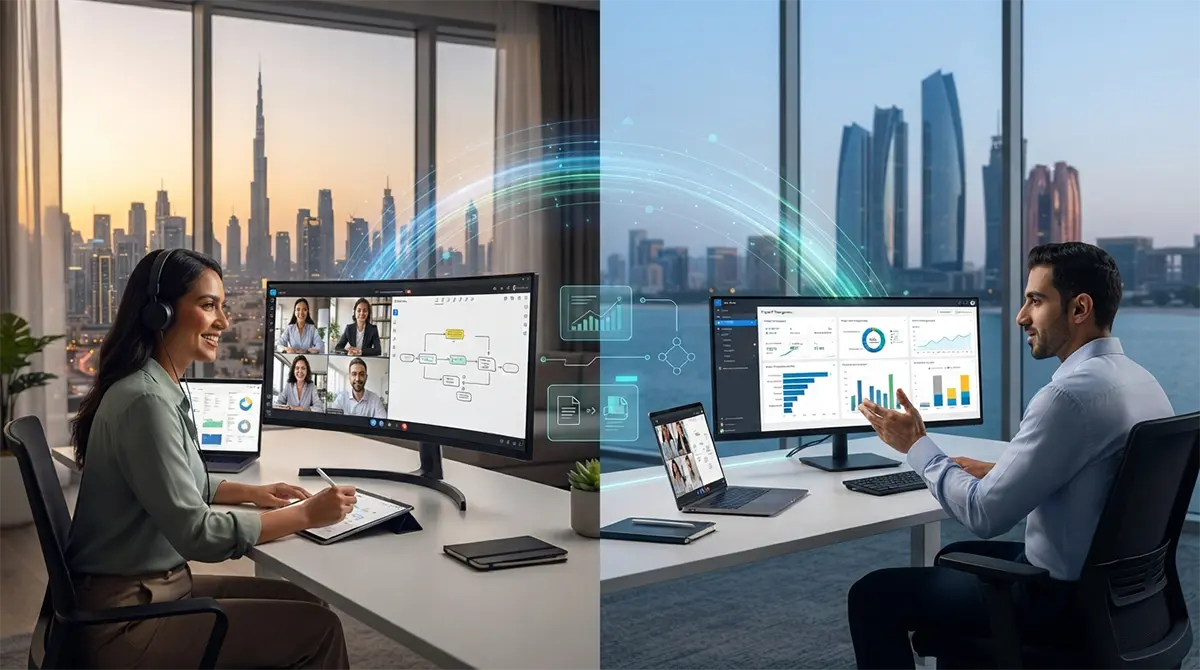
The business landscapes of Dubai and Abu Dhabi have long been characterized by relentless ambition, rapid innovation, and a dynamic fusion of global and regional commerce. Across these two vibrant emirates, organizations are constantly seeking competitive edges, scaling operations, and reimagining how talent connects, collaborates, and delivers results. In recent years, a profound shift has taken place regarding where and how work is conducted. Remote and hybrid work models once viewed as temporary contingencies or perks have matured into strategic operational frameworks. Driven by visionary government initiatives, world-class digital infrastructure, and changing workforce expectations, companies across the United Arab Emirates are permanently redefining corporate productivity.
Yet, transitioning to a sustainable and thriving remote or hybrid model requires much more than simply providing employees with laptops and home internet connections. Without intentional design, clear workflows, and robust digital ecosystems, distributed teams can quickly fall victim to communication silos, project bottlenecks, and digital fatigue. To unlock the true potential of a decentralized workforce, enterprises in Dubai and Abu Dhabi must embrace advanced collaboration tools that bridge geographical divides, streamline operational visibility, and foster a cohesive corporate culture. By investing in next-generation technology, regional enterprises are discovering that productivity is no longer bound by office walls, but rather amplified by intelligent connectivity.
The Strategic Imperative of Hybrid Work in Dubai and Abu Dhabi
The economic ecosystems of Dubai and Abu Dhabi possess unique characteristics that make them exceptionally receptive to flexible work models. As global hubs for finance, technology, logistics, and professional services, companies in these cities routinely manage cross-border projects, multinational client rosters, and diverse talent pools. Adopting remote and hybrid frameworks allows regional enterprises to source top-tier talent without geographic constraints, tapping into international expertise while retaining local operational anchors.
Furthermore, the fast-paced lifestyle of the Emirates means that work-life balance has become a critical factor in talent acquisition and retention. Professionals in Dubai and Abu Dhabi increasingly value the flexibility to manage their schedules, avoiding daily traffic gridlocks between the emirates while maintaining high output. Leadership teams have recognized that flexibility correlates directly with employee satisfaction and lower attrition rates. However, managing this transition effectively demands a sophisticated approach to workflow management. Organizations must ensure that accountability is measured by outcomes rather than physical presence, creating an environment where trust and transparency form the bedrock of daily operations.
Overcoming Distance: Advanced Communication and Alignment
Communication is the lifeblood of any successful organization, but maintaining clear channels across a hybrid workforce presents distinct challenges. Traditional office environments rely heavily on spontaneous conversations, quick desk-side check-ins, and physical proximity to align teams. When employees split their time between home offices, remote co-working spaces, and corporate headquarters in Downtown Dubai or the Abu Dhabi Global Market, these organic touchpoints disappear unless intentionally replicated digitally.
Advanced collaboration platforms have evolved far beyond basic video conferencing tools. Today’s enterprise communication suites integrate instant messaging, asynchronous video updates, collaborative whiteboards, and intelligent document co-authoring into unified command centers. These platforms break down departmental silos, allowing marketing teams in Dubai, engineering squads in Abu Dhabi, and remote specialists abroad to collaborate in real-time.
Crucially, modern communication tools bridge the gap between synchronous and asynchronous work. In a global business hub, team members often need to collaborate across different time zones. Advanced platforms enable employees to record video summaries of project updates, leave contextual notes on shared design files, and organize threaded discussions that prevent critical information from getting lost in endless email chains. This flexibility ensures that productivity does not stall simply because a team member is offline, empowering employees to contribute when they are most focused and creative.
Intelligent Project Management and Workflow Visibility
One of the primary anxieties leadership teams face when adopting hybrid models is the loss of visibility over daily operations. When managers cannot physically see their team members at their desks, uncertainty regarding project progress and task ownership can arise. Addressing this challenge requires moving away from micromanagement and toward transparent, cloud-based project management ecosystems.
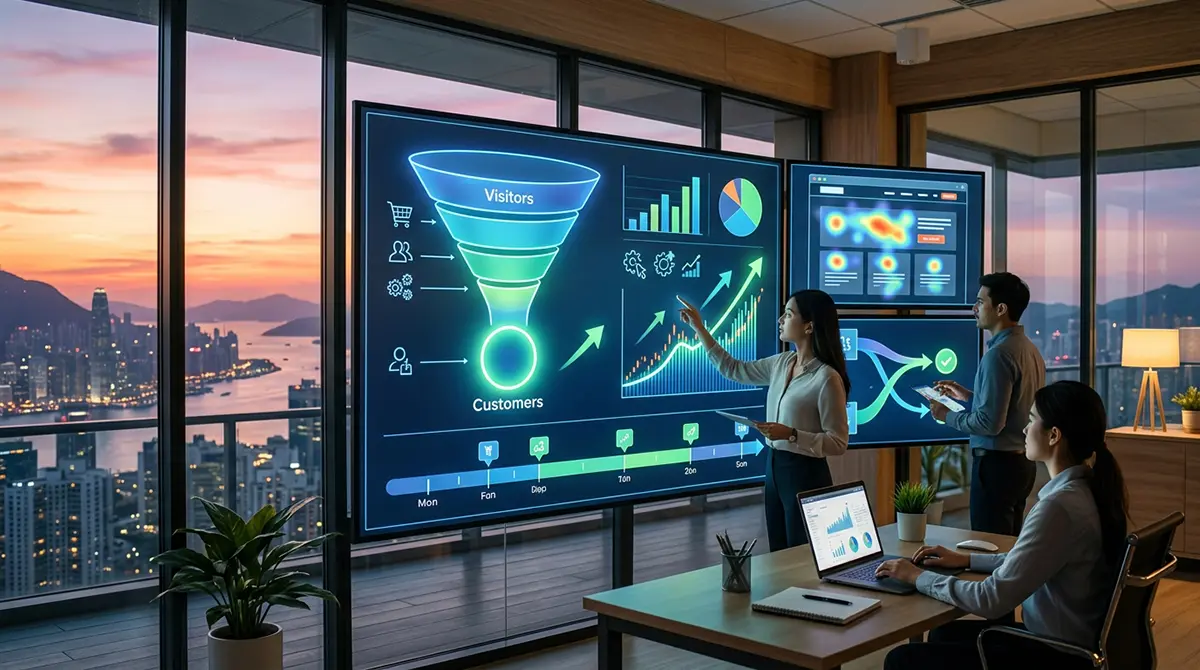
Advanced task management platforms provide a single source of truth for organizational goals, project milestones, and individual responsibilities. In these digital environments, every project is broken down into manageable tasks, assigned clear deadlines, and tagged with priority levels. Managers can monitor progress dashboards at a glance, identifying bottlenecks or overburdened team members before productivity is compromised.
For businesses operating in the UAE, where speed and agility are paramount, these digital tracking systems eliminate ambiguity. Team members know precisely what is expected of them, who holds the dependencies for their next task, and how their individual contributions feed into the broader organizational strategy. Additionally, automated status updates and progress notifications reduce the need for lengthy alignment meetings, returning valuable hours to employees’ schedules for deep, focused work.
Security, Compliance, and the Digital Infrastructure Foundation
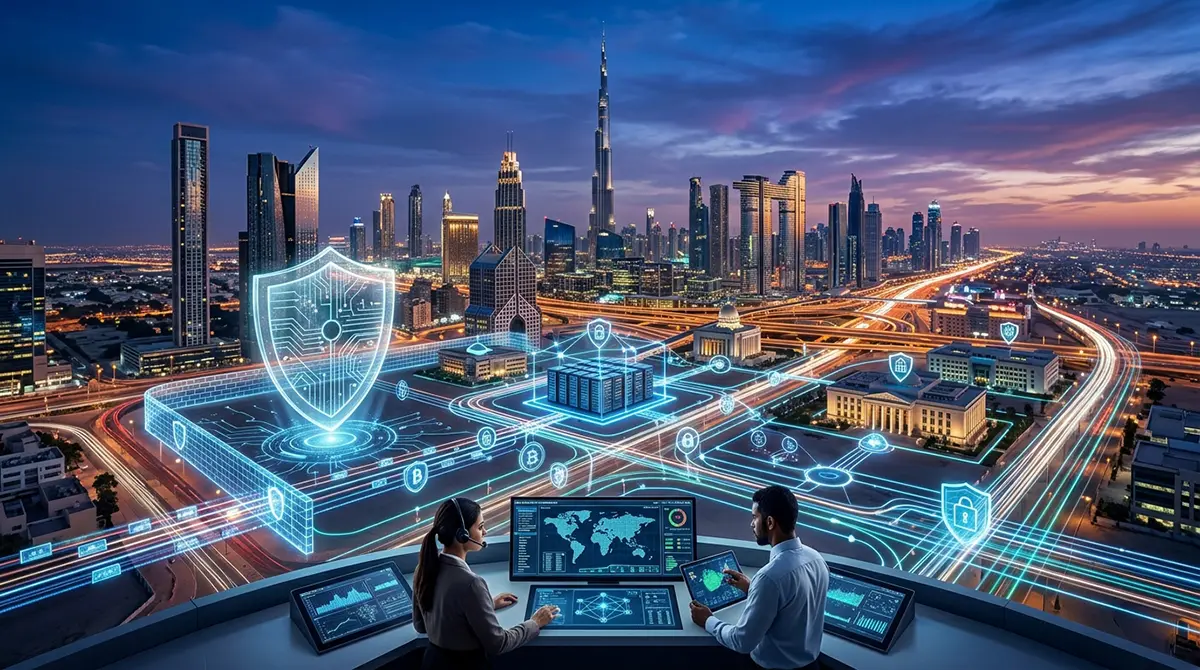
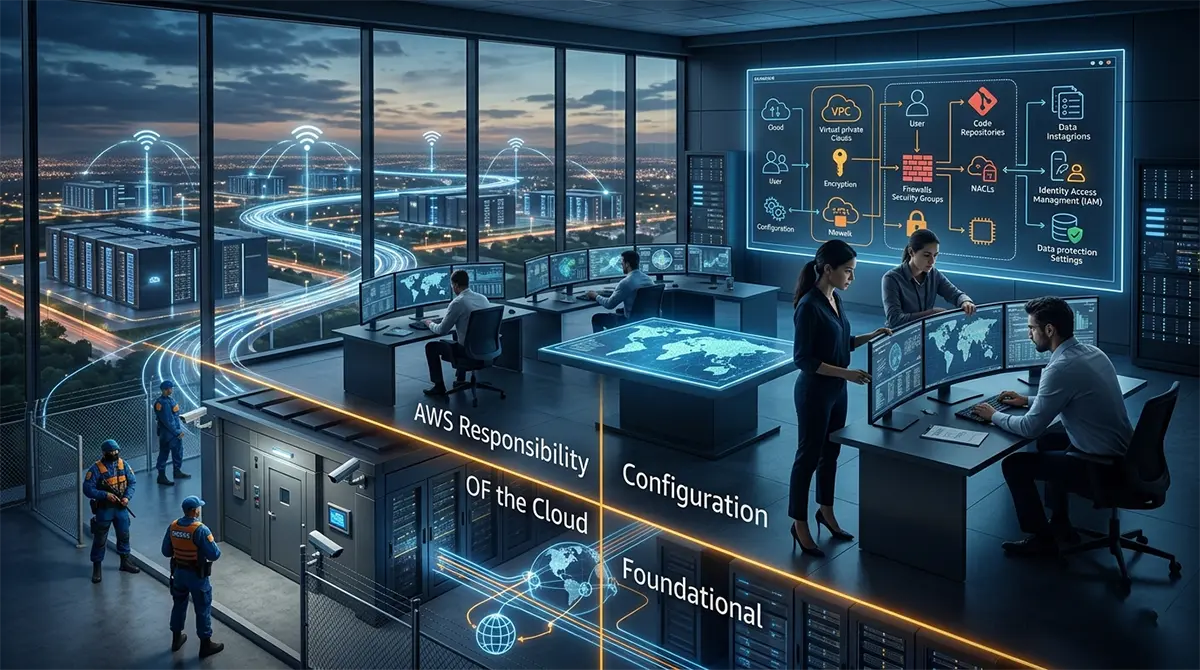
As organizations in Dubai and Abu Dhabi deepen their reliance on cloud-based collaboration tools, safeguarding sensitive corporate data and maintaining regulatory compliance become absolute priorities. The UAE has established rigorous data protection laws and cybersecurity frameworks, making it essential for businesses to deploy collaboration tools that adhere to the highest security standards.
Modern workplace transformation requires a resilient IT infrastructure that can support heavy data loads, secure remote access points, and encrypted communication channels. Enterprises must implement multi-factor authentication, end-to-end encryption for file sharing, and role-based access controls to protect intellectual property and client confidentiality against cyber threats.
Navigating this intricate technical landscape often requires specialized expertise. Organizations frequently partner with trusted regional specialists to design, deploy, and maintain their digital ecosystems. Ensuring seamless integration between legacy systems and modern cloud platforms is vital, and having access to expert consultation and Best tech support dubai ensures that technical disruptions are resolved swiftly before they can impact team productivity. When employees know their digital workspace is secure and stable, they can collaborate with confidence, knowing their data and communications are fully protected against emerging vulnerabilities.
Fostering Corporate Culture and Employee Well-Being in Distributed Teams
Beyond metrics, software licenses, and security protocols, the ultimate success of a hybrid workforce hinges on human connection and corporate culture. In a traditional office setting, culture is built through shared physical spaces, casual hallway conversations, and face-to-face celebrations of team milestones. In a remote or hybrid model, organizations must intentionally engineer opportunities for team bonding and psychological safety.
Advanced collaboration tools offer innovative ways to nurture culture across distances. Virtual watercoolers, dedicated interest channels, and regular digital check-ins help maintain a sense of community among team members who may rarely see each other in person. Furthermore, leadership teams can utilize employee experience platforms to run pulse surveys, measure sentiment, and gauge team morale, identifying early signs of burnout or disengagement.
Promoting well-being in a digital-first environment also means establishing healthy boundaries around communication. The expectation of constant availability can quickly lead to digital exhaustion. Progressive companies in Dubai and Abu Dhabi are using collaboration tools to schedule quiet hours, encourage offline time, and respect personal boundaries, recognizing that sustainable productivity is rooted in rest and recovery. When employees feel supported, trusted, and genuinely connected to their colleagues, their loyalty and output naturally flourish.
The Future Horizon of Work in the United Arab Emirates
The trajectory of the UAE labor market points toward an even more integrated, intelligent, and flexible future. Emerging technologies, particularly artificial intelligence and machine learning, are beginning to weave themselves into the fabric of daily collaboration tools. AI-powered assistants are now capable of transcribing meetings, summarizing lengthy discussion threads, drafting follow-up action items, and predicting project completion dates based on historical team velocity.
These intelligent capabilities free employees from administrative burdens, allowing them to dedicate their energy to high-value strategic thinking, creative problem-solving, and innovation. As Dubai and Abu Dhabi continue to solidify their positions as global innovation capitals, the organizations that thrive will be those that view technology not merely as a set of utility applications, but as a strategic catalyst for human potential.
Ultimately, enhancing remote and hybrid team productivity is an ongoing journey of adaptation, empathy, and technological refinement. By embracing advanced collaboration tools, establishing transparent operational frameworks, prioritizing robust cybersecurity, and nurturing an inclusive corporate culture, businesses in the Emirates can unlock unprecedented levels of efficiency and growth. The future of work in Dubai and Abu Dhabi is flexible, connected, and boundless, offering endless opportunities for organizations ready to embrace the digital workplace evolution.