



The technological evolution of the United Arab Emirates has transformed its primary commercial hub into a thriving epicenter for digital innovation. At the core of this transformation lies the ubiquitous open-source operating system that powers everything from hyper-scale cloud environments down to containerized microservices. Linux professionals have become the invisible architects of modern enterprise infrastructure in the region. As businesses across various sectors rush to modernize, the demand for competent Linux talent has skyrocketed, making remuneration packages a topic of intense interest for local and international IT specialists alike.
Understanding what Linux professionals earn requires a comprehensive look at the unique socio-economic landscape of the emirate. With a completely tax-free income structure, highly competitive corporate benefits, and an influx of multinational corporations establishing regional headquarters, compensation extends far beyond a basic monthly paycheck. This dynamic ecosystem attracts top-tier talent from around the globe, creating a competitive market where specialized skills command premium rates. Whether managing traditional on-premises enterprise servers or orchestrating cloud-native container clusters, Linux experts find themselves well-positioned to capitalize on this growing economic momentum.
The Macroeconomic Factors Driving Linux Salaries
Several macroeconomic forces dictate the valuation of Linux and open-source expertise in the region. Government-led digital transformation initiatives, such as the Dubai Paperless Strategy and comprehensive smart-city frameworks, have accelerated public and private sector migration to robust, secure operating environments. Because core infrastructure heavily relies on enterprise distributions like Red Hat Enterprise Linux and Ubuntu, organizations are willing to allocate substantial budgets to secure talent capable of maintaining high availability, fault tolerance, and rigorous security compliance.
Furthermore, the rapid expansion of regional cloud data centers by global giants has intensified the competition for specialized infrastructure talent. Financial institutions, telecommunications providers, and e-commerce platforms handle massive transaction volumes daily, necessitating resilient backend architectures. When a few minutes of downtime can translate to millions of dollars in losses, companies view competitive compensation not as an overhead expense, but as a crucial investment in operational continuity and risk mitigation. Consequently, salary benchmarks have experienced steady upward pressure, reflecting the irreplaceable value of skilled system architects and engineers.
Breakdown of Salaries by Experience and Specialization
Compensation packages vary significantly depending on an individual’s depth of experience, technical certifications, and daily responsibilities. Entry-level Linux administrators, typically tasked with routine maintenance, user management, and basic troubleshooting, generally command starting salaries ranging from modest local packages up to competitive figures that ensure a comfortable lifestyle in the emirate. These professionals usually focus on mastering foundational shell scripting, file system hierarchies, and basic networking protocols before transitioning into more advanced engineering roles.
Mid-level professionals, boasting between three to seven years of hands-on experience, see a substantial jump in their earning potential. At this stage, responsibilities expand to include automated provisioning, performance tuning, kernel-level troubleshooting, and security hardening. Enterprises value mid-level engineers who can work autonomously and handle complex incident responses without escalating every minor alert.
Senior Linux engineers and enterprise architects sit at the pinnacle of the traditional administration hierarchy. These experts design fault-tolerant clusters, implement complex automated deployment pipelines, and guide corporate cloud migration strategies. Their comprehensive grasp of enterprise storage, advanced networking, and cross-platform integration allows them to command top-tier compensation packages that rival executive salaries in other traditional industries.
The Convergence of Linux, Cloud, and DevOps
The traditional boundary defining a pure Linux system administrator has blurred significantly. Modern infrastructure engineering demands fluency in cloud platforms, infrastructure-as-code tools, and container orchestration frameworks. Organizations seeking comprehensive digital transformations frequently partner with specialized providers of DevOps Services in Dubai to overhaul their legacy workflows, which in turn drives up the market value of professionals who bridge the gap between development and operations.
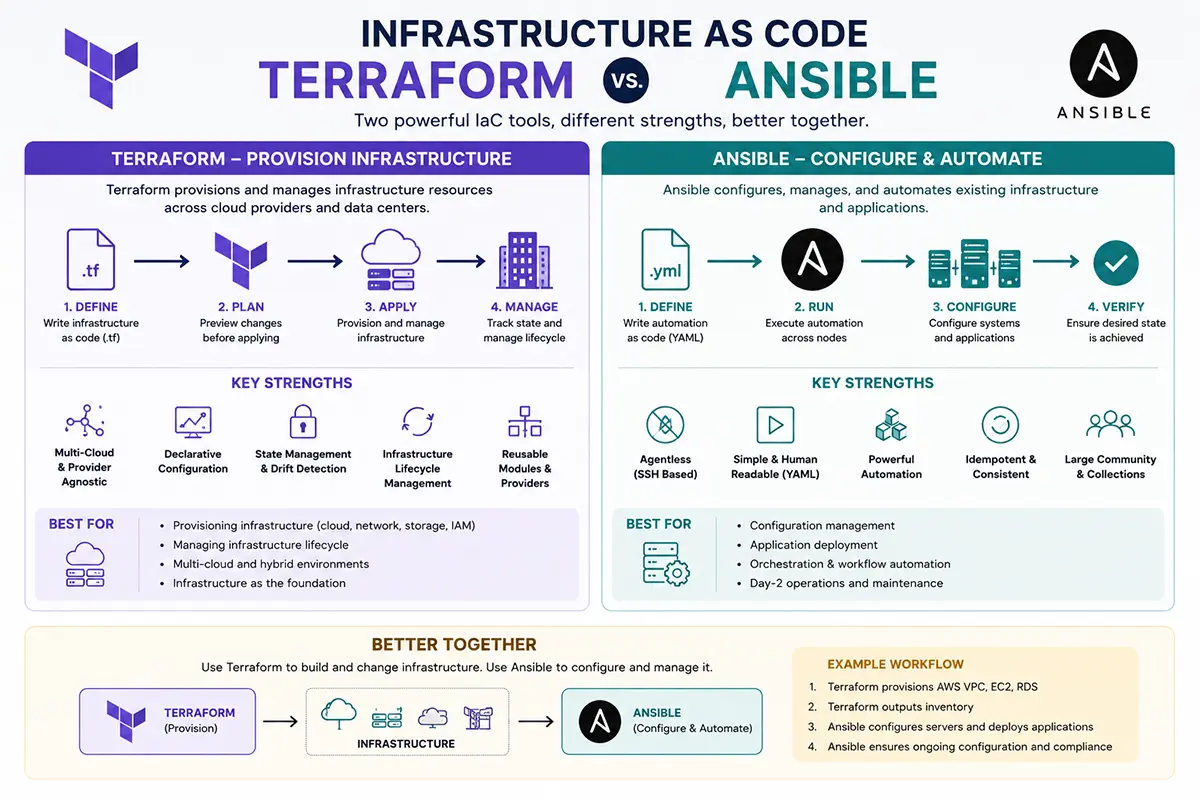
Engineers who combine deep Linux mastery with modern tools like Kubernetes, Docker, Terraform, and Ansible occupy a privileged tier in the local job market. Because containers ultimately run on Linux kernels, deep operating system knowledge remains the foundational superpower that enables successful troubleshooting of complex, distributed cloud-native applications. Employers readily pay premium rates for multi-skilled professionals who can navigate both low-level system logs and high-level architectural design without missing a beat.
Comparative Analysis of Industries and Company Types
Not all employers in the emirate compensate technical talent equally. The financial services sector—comprising traditional banking institutions, high-frequency trading firms, and emerging fintech startups—consistently leads the market in terms of base salaries and generous year-end performance bonuses. These organizations operate under strict regulatory frameworks and demand uncompromising system reliability, prompting them to spare no expense in acquiring elite technical personnel.
On the other end of the spectrum, early-stage startups and smaller digital agencies may offer lower base compensation, but they often compensate with equity options, greater technical autonomy, and accelerated career growth opportunities. Meanwhile, multinational technology vendors and global consulting firms position themselves in the upper-middle bracket, offering structured career progression paths, extensive international training budgets, and comprehensive healthcare packages that add substantial indirect value to the overall remuneration.
Comprehensive Benefits and Total Compensation Packages
Evaluating financial compensation in the region requires looking past the base salary figure. A standard employment contract typically includes a suite of allowances and benefits designed to offset the local cost of living and ensure long-term retention. Health insurance coverage is universally mandated, often extending to cover immediate family members with premium international access.
Annual flight tickets home, children’s education allowances, and performance-based bonuses are standard perks for mid-to-senior technical roles. Furthermore, because income is entirely free of personal taxation, the net take-home pay is significantly higher than equivalent nominal salaries in Western Europe or North America. When factoring in housing stipends and end-of-service gratuity benefits calculated according to local labor laws, the total compensation package for a skilled Linux professional represents a highly lucrative financial proposition.
Certifications and Skill Sets That Maximize Earning Potential
Obtaining industry-recognized credentials serves as a reliable accelerator for career advancement and salary negotiation. Certifications validate a candidate’s theoretical knowledge and practical proficiency under standardized examination conditions. Credentials focused on enterprise Linux administration, container orchestration, and multi-cloud architecture consistently top the list of high-value qualifications sought by regional hiring managers.
Demonstrating proficiency in automation scripting languages such as Python and Bash is equally crucial. Employers heavily favor candidates who view manual configuration as an anti-pattern and instead build repeatable, automated deployment frameworks. Professionals who continuously update their skill sets to align with emerging trends in zero-trust security, edge computing, and artificial intelligence infrastructure find themselves shielded from skill obsolescence and positioned at the very top of the salary distribution curve.
Linux Dubai Salary Benchmarks in 2026: Detailed Breakdown by Experience and Role
Navigating the financial landscape of the Dubai technology sector requires looking closely at how specific skill tiers translate into monthly and annual compensation. While general estimates vary depending on the data source, Linux and infrastructure engineering roles in the emirate are structured across clear professional tiers, heavily influenced by hands-on proficiency in kernel management, cloud orchestration, and automation frameworks.
Entry-Level Linux Professionals (0 to 3 Years Experience)
-
Monthly Earnings Range: AED 8,000 to AED 12,000
-
Annual Equivalent: AED 96,000 to AED 144,000
-
Core Responsibilities: Junior administrators typically manage routine user permissions, monitor server logs, execute basic patching, and handle first-tier ticket escalations. At this stage, professionals focus on cementing their command over shell scripting, package managers, and basic web server configuration (such as Nginx and Apache) to build a foundation for career growth.
Mid-Level Linux & Systems Engineers (3 to 6 Years Experience)
-
Monthly Earnings Range: AED 12,000 to AED 20,000
-
Annual Equivalent: AED 144,000 to AED 240,000
-
Core Responsibilities: Professionals in this bracket operate with substantial autonomy, executing performance optimization, high-availability cluster setups, and automated deployment tasks using tools like Ansible or Terraform. Companies look to mid-level specialists to maintain rigorous uptime standards, troubleshoot kernel-level network latency, and secure production environments against vulnerabilities.
Senior Linux Architects & Infrastructure Leads (6+ Years Experience)
-
Monthly Earnings Range: AED 22,000 to AED 35,000+
-
Annual Equivalent: AED 264,000 to AED 420,000+
-
Core Responsibilities: Sitting at the peak of technical execution, senior architects design multi-region cloud infrastructures, direct enterprise-wide migration blueprints, and lead disaster recovery strategies. Their deep mastery of containerization platforms (such as Kubernetes), advanced storage protocols, and automated compliance pipelines allows them to command top-tier compensation packages, often supplemented by lucrative performance bonuses and health benefits.
Future Outlook and Career Trajectory
The trajectory for open-source and infrastructure professionals remains exceptionally bright. As organizations continue to scale their digital operations, the need for robust underlying systems will only intensify. Emerging paradigms such as immutable infrastructure, automated compliance auditing, and edge computing demand a fresh generation of talent that views the Linux operating system not as a static box in a server room, but as a dynamic, programmable canvas.
For ambitious professionals willing to embrace continuous learning and adapt to shifting technological paradigms, the regional market offers a rewarding career journey. By combining foundational operating system expertise with modern cloud-native competencies, Linux professionals can secure high-paying roles that offer both financial prosperity and deep technical fulfillment in one of the world’s most vibrant metropolitan economies.