

The Dawn of a New Era in the Gulf Cooperation Council
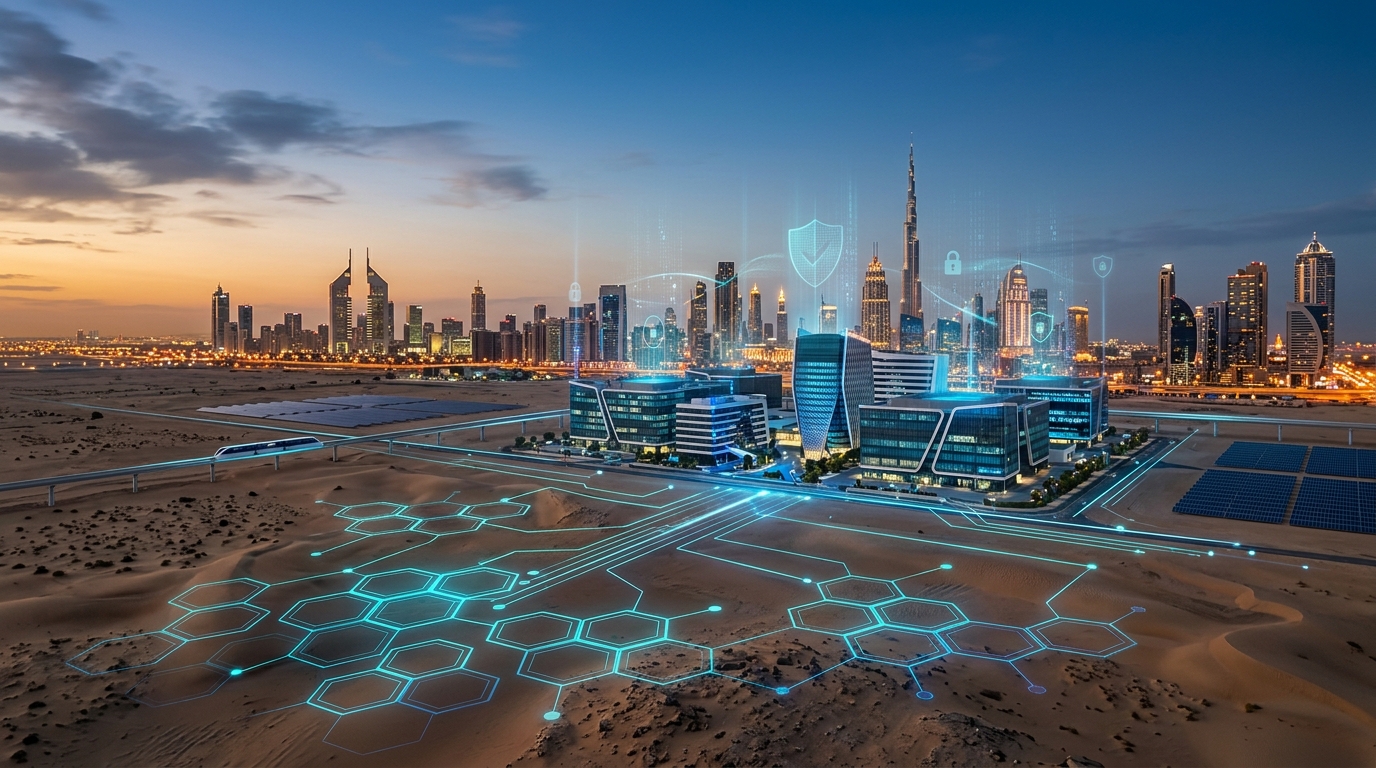
The economic landscape of the Gulf Cooperation Council (GCC) is undergoing a profound structural transformation. Propelled by visionary national agendas such as the UAE Centennial 2071, Dubai Economic Agenda (D33), and Saudi Vision 2030, the region is rapidly transitioning from a resource-driven economy to a globally competitive, knowledge-based powerhouse. At the heart of this macro-level shift lies a reimagined corporate environment. No longer constrained by traditional bricks-and-mortar limitations, modern enterprises across the United Arab Emirates are redefining what it means to go to work. This evolution is not merely technological; it is deeply cultural, altering how teams communicate, how leadership is exercised, and how corporate values are transmitted across diverse, multi-generational, and multinational workforces.
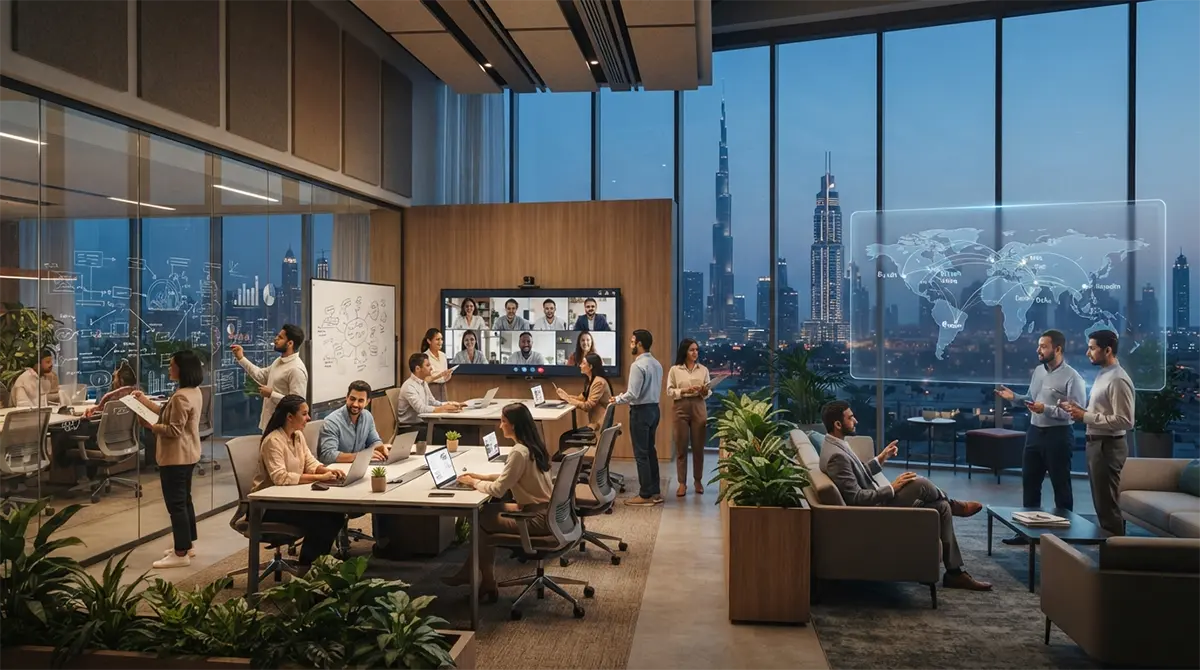
As businesses in cities like Dubai and Abu Dhabi scale to meet international demands, the daily rhythm of corporate life is increasingly mediated by digital architecture. Collaboration platforms have emerged as the digital nerve centers of these organizations. Far from being simple replacements for email or physical meeting rooms, these sophisticated ecosystems are actively reshaping UAE corporate culture. They dismantle geographical boundaries, democratize information flow, and provide the infrastructure necessary for hybrid work models to thrive. Understanding this shift requires a deep dive into the intersection of modern technology, regional labor dynamics, and the shifting paradigms of professional identity in the Arabian Gulf.
The Unique Socio-Economic Fabric of the UAE Workplace
To appreciate how collaboration platforms are influencing corporate culture in the UAE, one must first examine the unique socio-economic backdrop of the region. The workforce in the Emirates is uniquely cosmopolitan, bringing together professionals from over two hundred nationalities. This rich tapestry of cultures, languages, and professional backgrounds creates an environment brimming with innovative potential, but it also introduces unique communicative complexities. Building a cohesive corporate culture when teams are culturally diverse and geographically dispersed across different emirates or international hubs requires intentionality and robust infrastructure.
Furthermore, the UAE labor market is characterized by a high degree of digital literacy and an ambitious, young demographic that expects consumer-grade technological experiences in the workplace. Organizations operating in this space face the dual imperative of accelerating digital transformation while preserving a strong, unified corporate identity. Traditional management styles rooted in physical presence and strict hierarchy are giving way to more agile, transparent, and output-oriented leadership models. In this context, collaboration tools act as cultural glue, providing shared spaces where values can be articulated, milestones can be celebrated collectively, and cross-cultural teams can synchronize their efforts effortlessly.
Dismantling Silos and Fostering Radical Transparency
One of the most profound cultural shifts catalyzed by enterprise collaboration platforms is the breakdown of rigid organizational silos. In legacy corporate structures, information often traveled strictly through vertical channels, creating communication bottlenecks and departmental isolation. Modern digital workspaces flatten these structures by introducing open channels, cross-functional project spaces, and real-time messaging capabilities that transcend departmental boundaries.
In UAE corporate culture, this shift toward radical transparency has transformed how decisions are made. Junior employees now have unprecedented visibility into strategic project lifecycles, allowing them to contribute insights that might previously have been lost in transit. Leadership teams are finding that open-channel communication fosters psychological safety and trust. When executive updates, strategic pivots, and operational wins are shared openly across a digital workspace, employees feel more connected to the overarching mission of the organization. This sense of shared purpose is particularly vital in the GCC, where companies often scale rapidly and need every team member aligned with fast-moving corporate objectives.
Redefining Productivity in a Hybrid Work Ecosystem
The global disruption of recent years accelerated a shift toward flexible work arrangements that many organizations in the GCC have permanently embraced. Unlike some Western markets where employers have pushed for strict corporate recalls, UAE enterprises have largely recognized that a balanced hybrid model serves as a powerful magnet for top-tier global talent. However, managing a hybrid workforce introduces distinct challenges regarding accountability, workload visibility, and burnout prevention.
Collaboration platforms have resolved these tensions by shifting the corporate cultural metric from “presence” to “progress.” Through integrated project management boards, asynchronous documentation spaces, and shared digital whiteboards, managers can evaluate output based on tangible deliverables rather than hours spent at a physical desk. This transition requires a maturation of managerial capability across GCC enterprises. Leaders are learning to lead with empathy and clarity, setting explicit expectations while granting teams the autonomy to manage their time. Consequently, corporate culture is evolving to be more results-oriented, flexible, and respectful of individual work-life balance.
Institutional Memory and Knowledge Management as Cultural Assets
In a highly transient and dynamic labor market like the UAE, employee turnover can sometimes threaten the continuity of institutional knowledge. When key personnel move on, valuable context, client insights, and historical project data risk disappearing with them unless captured systematically. Collaboration platforms serve as living archives that mitigate this risk by centralizing organizational knowledge.
Every decision thread, shared document, recorded meeting, and project update feeds into an searchable digital repository. This capability transforms corporate culture from reactive to proactive. New hires can be onboarded more swiftly, diving into historical context without needing constant hand-holding from senior staff. Furthermore, it democratizes access to information, ensuring that institutional wisdom belongs to the enterprise as a whole rather than residing in individual silos. For fast-growing GCC companies navigating aggressive expansion plans, this preservation of knowledge is an invaluable strategic advantage.
Enhancing Employee Engagement and Belonging Across Distances
Culture is ultimately about how people feel about their workplace, their peers, and their leaders. Maintaining a strong sense of belonging is challenging when teams are distributed between Dubai Media City, Abu Dhabi financial hubs, and remote home offices. Modern collaboration platforms combat this isolation by integrating social channels, virtual watercoolers, and recognition modules that celebrate individual and team achievements.
In the UAE, where corporate gatherings often hold immense cultural significance—ranging from festive celebrations to regular team-building lunches—digital platforms help bridge the physical gap. Organizations routinely host virtual town halls, interactive polls, and interest-based community channels that allow employees to share aspects of their personal lives, hobbies, and cultural traditions. This ability to connect on a human level helps forge deep emotional bonds among colleagues who might rarely or never meet in person, reinforcing a corporate culture characterized by inclusivity and mutual respect.
Navigating Challenges: The Human Element of Digital Adoption
Despite the overwhelming benefits of collaboration platforms, integrating them into corporate culture is not without its friction points. Technology alone cannot solve cultural misalignments; in fact, poorly implemented tools can lead to digital fatigue, constant connectivity stress, and fragmented attention spans. Employees across the GCC frequently report feeling overwhelmed by the sheer volume of notifications, messages, and cross-channel chatter.
To combat this, forward-thinking organizations are implementing digital etiquette frameworks. These guidelines establish clear boundaries regarding after-hours communication, response times, and the appropriate use of specific channels for urgent versus long-term matters. Furthermore, organizations recognize that digital transformation must be supported by continuous change management and empathy. Providing comprehensive training ensures that all employees—regardless of their baseline technical proficiency—feel confident navigating these digital spaces. To support these continuous rollouts and maintain seamless uptime, many local enterprises partner with expert providers who offer reliable communication & collaboration solutions corporate connection uae, ensuring that technical glitches never impede team connectivity or cultural momentum.
The Integration of Artificial Intelligence in Collaborative Spaces
As we look further into the future, the nature of collaboration platforms is being revolutionized by artificial intelligence. Generative AI tools and intelligent agents are now deeply embedded within modern workspace suites, transforming routine administrative burdens into automated efficiencies. These AI assistants can transcribe meetings, summarize lengthy chat threads, translate discussions across multiple languages in real-time, and even suggest action items based on conversational context.
Within the multicultural corporate landscape of the UAE, real-time AI translation and localization features are particularly transformative. They enable seamless cross-lingual collaboration, ensuring that language barriers never impede productivity or creative exchange among diverse teams. Additionally, AI-driven analytics within collaboration platforms help leadership monitor employee sentiment, workload distribution, and collaboration patterns. This allows human resources teams to proactively address burnout risks and cultivate a healthier, more supportive organizational culture.
Cultivating Psychological Safety in Virtual Environments
A thriving corporate culture relies heavily on psychological safety—the shared belief that the team is safe for interpersonal risk-taking, voicing dissenting opinions, and sharing half-formed creative ideas. In traditional office settings, psychological safety is built through non-verbal cues, informal chats over coffee, and open-door policies. Recreating this dynamic in digital environments requires deliberate effort and specialized platform features.
Collaboration platforms contribute to psychological safety by offering anonymous feedback channels, pulse survey integrations, and private messaging spaces where junior employees can communicate directly and candidly with leadership. Moreover, the asynchronous nature of many digital tools allows reflective thinkers and introverted team members to articulate their thoughts carefully before contributing, ensuring that louder voices do not perpetually dominate discussions. By leveling the playing field, these platforms foster more diverse, inclusive, and innovative corporate cultures across GCC enterprises.
The Role of Middle Management in Digital Cultural Transformation
While executive vision sets the strategic direction for digital workplace adoption, the success of any cultural transformation ultimately rests on the shoulders of middle management. Line managers and team leads act as the primary translators between high-level corporate goals and daily operational reality. In a hybrid, platform-driven work environment, their role becomes even more critical.
Middle managers in UAE corporations are evolving away from being task-allocators and physical attendance overseers. Instead, they are becoming facilitators of collaboration, cultural custodians, and digital coaches. They must learn to interpret digital collaboration metrics constructively, maintain team cohesion across physical divides, and model healthy work-life boundaries. Organizations that invest in upskilling their middle management layer to lead effectively in digital environments consistently see higher employee retention, stronger team morale, and more successful execution of strategic initiatives.
Measuring Cultural Health Through Digital Analytics
One of the most exciting developments in modern corporate management is the ability to gauge the health of a company’s culture through the metadata generated by collaboration platforms. While traditional culture assessments relied on infrequent, annual engagement surveys, modern analytics provide real-time, privacy-compliant insights into organizational dynamics.
Leaders can observe indicators such as cross-departmental connectivity, after-hours communication frequency, and team collaboration intensity. If data reveals that a particular department is becoming isolated or showing signs of chronic overwork through late-night platform activity, leadership can intervene proactively. This data-driven approach to corporate culture allows UAE organizations to move from guesswork to precision care, ensuring that their people remain energized, connected, and aligned with sustainable operational practices.
Looking Ahead: The Resilient, Connected Enterprise of Tomorrow
The rapid evolution of work in the GCC demonstrates that technological adoption and human-centric culture are not competing forces; rather, they are deeply symbiotic. Collaboration platforms have transcended their initial utility as emergency tools for remote continuity, evolving into the very fabric of modern UAE corporate culture. They enable enterprises to scale rapidly, embrace workforce diversity, and maintain operational resilience in an unpredictable global economy.
As the region continues its march toward ambitious economic diversification milestones, the organizations that thrive will be those that view digital transformation not as an IT project, but as a cultural journey. By fostering transparency, embracing flexibility, prioritizing employee wellbeing, and leveraging intelligent collaboration tools, UAE corporations are setting a global benchmark for the future of work. The corporate culture of tomorrow in the GCC is agile, inclusive, and boundlessly connected—a testament to what happens when human ambition meets the full potential of digital innovation.